
ಕಿರೋಸಿನ್ ಹರಿಕೇನ್ ಲಾಂದ್ರ
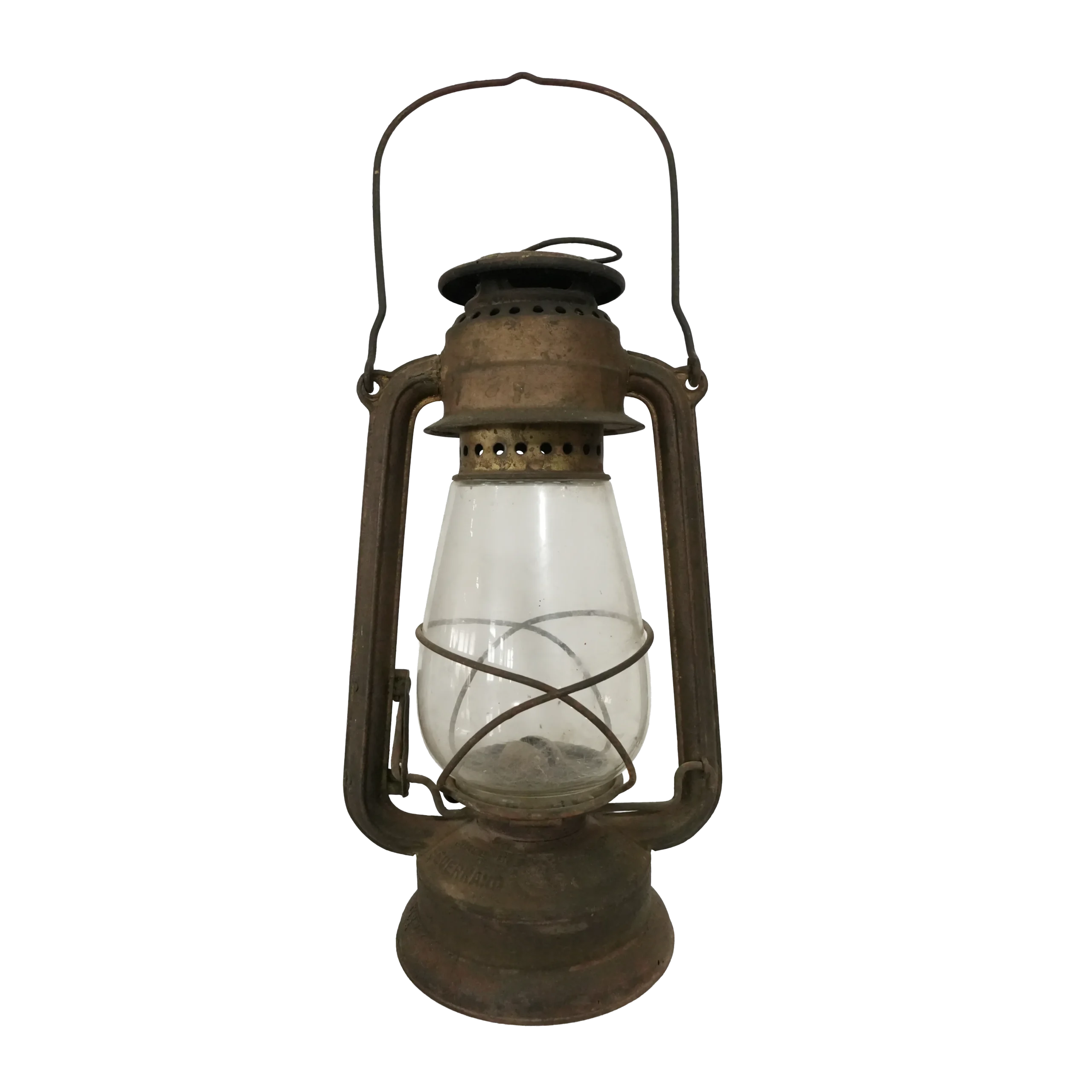
The Kerosene Hurricane Lantern is a portable lighting device that was widely used
before the advent of electricity and became an indispensable part of daily life across
Karnataka and many other parts of the world. Commonly known in Karnataka as
Harikeen Laandra or Seeme Enne Deepa, it was found in homes, farms, temples,
marketplaces, and public spaces, providing a dependable source of light after
sunset. This antique lantern, dating from the late nineteenth to the early twentieth
century, is constructed from stamped metal with a protective zinc coating to resist
rust and features a clear glass globe, a wire carrying handle, a circular kerosene
reservoir, a cotton wick with an adjustable control knob, protective wire guards, and
ventilated vents that allow heat and smoke to escape safely. To operate the lantern,
kerosene was poured into the fuel reservoir, the cotton wick was lit, and the glass
globe was lowered to protect the flame from wind and rain.
The enclosed design
enabled the lantern to remain illuminated even in harsh weather, giving rise to the
name "Hurricane Lantern," while the wick adjustment mechanism allowed the
brightness of the flame to be easily controlled. Simple, durable, and requiring no
electricity, it served as a reliable source of illumination for cooking, studying, farming,
travelling, and household activities, especially in rural communities and during power
shortages, monsoon seasons, and emergencies. Similar lanterns were used
throughout the world and were known by different names, such as the Coal Oil
Lantern or Cold Blast Lantern in Canada, reflecting their universal importance
across cultures. More than a practical lighting device, the kerosene hurricane lantern
symbolizes resilience, self-reliance, and the ingenuity of earlier generations who
depended on a single flame to illuminate their homes and workplaces. Preserving
this artifact in a college museum helps document the evolution of lighting technology
and offers students an opportunity to appreciate the craftsmanship, resourcefulness,
and everyday experiences of people before the widespread availability of electric
lighting. Today, it stands as a timeless reminder of Karnataka's social and cultural
history and of an era when even a simple lantern played a vital role in bringing families and communities together.
