
ಒರಳು ಕಲ್ಲು (Oralu Kallu)
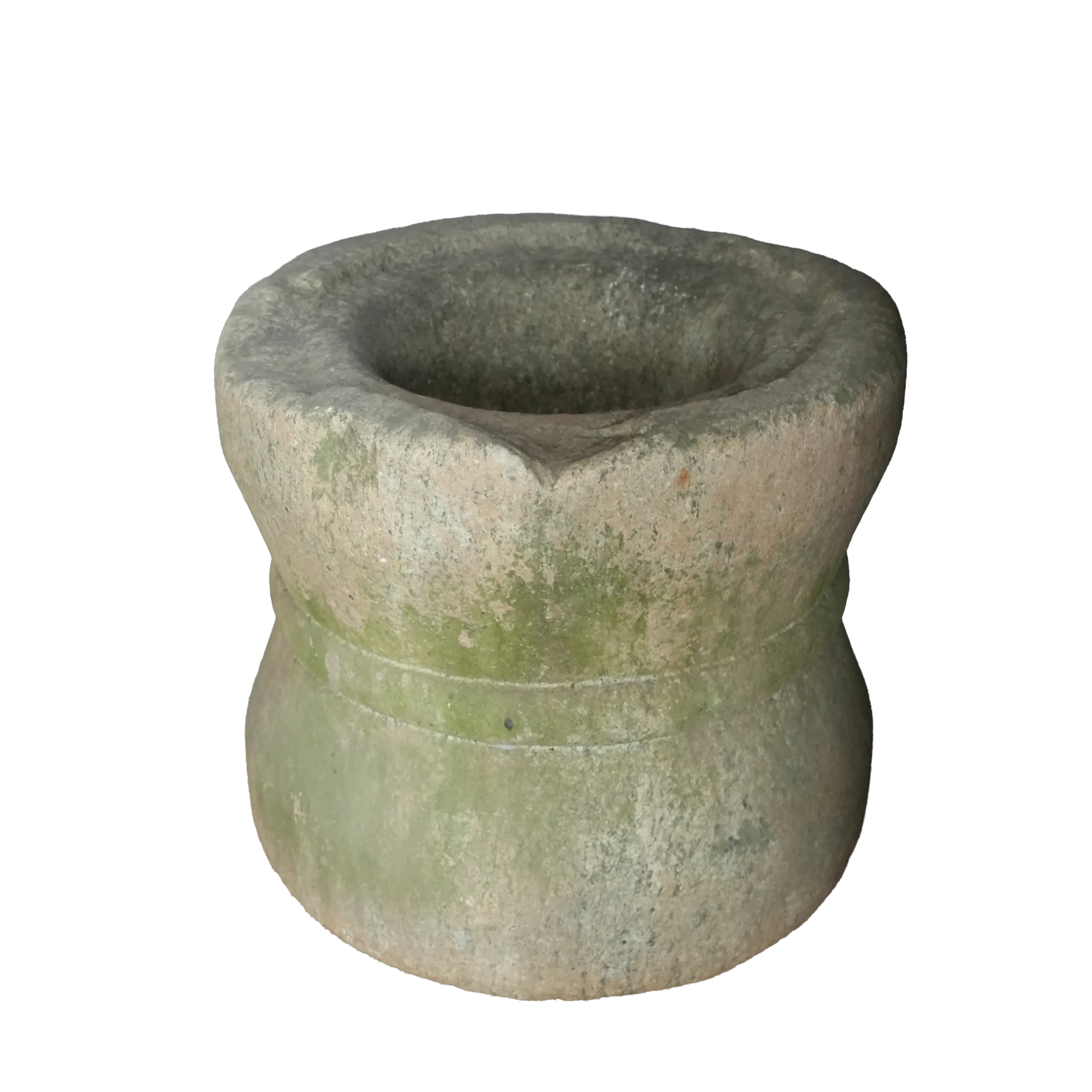
The Oralu Kallu is a traditional deep stone mortar that has been used in Karnataka
for centuries for pounding, grinding, and preparing food and herbal mixtures. Hand-
carved from a single block of natural granite, it features a deep, bowl-shaped cavity
with a wide opening and a sturdy, weighted base that provides stability during use.
The rough exterior and smoothly worn interior reflect years of continuous use, while
the deep design allows ingredients to be pounded efficiently with minimal spillage. In
Kannada, Oralu refers to the grinding or pounding action, and Kallu means "stone."
Traditionally, the Oralu Kallu was used with a heavy stone pestle or a long wooden
Onake to pound whole spices such as black pepper, cloves, cardamom, and
cinnamon, prepare chutneys, spice pastes, herbal medicines, and traditional
delicacies, and process larger quantities of ingredients for family gatherings,
festivals, and community feasts. Its substantial weight absorbed the force of
repeated pounding, ensuring efficient and uniform processing.
Beyond its practical
use, the Oralu Kallu held an important place in Karnataka's cultural and ceremonial
life. It is closely associated with Arishina Kuttuva Shastra (ಅರಿಶಿನ ಕುಟ್ಟುವ ಶಾಸ್ತ್ರ), a
traditional pre-wedding ritual in which women ceremonially pound whole turmeric
using the Onake, symbolizing prosperity, purity, fertility, and communal harmony. The
rhythmic act of pounding, often accompanied by traditional folk songs, fostered
social bonding and preserved oral traditions passed down through generations.
Commonly installed in the courtyard or kitchen of rural homes, the Oralu Kallu was
more than a household implement; it was a symbol of self-reliance, culinary heritage,
and community life. Although it has largely disappeared from everyday use with the
advent of electric appliances, the Oralu Kallu remains an enduring testament to
Karnataka's traditional craftsmanship, agrarian lifestyle, and cultural identity.
Preserving this artifact in a college museum helps safeguard an important aspect of
the region's material heritage and enables future generations to appreciate the
knowledge, skills, and traditions embedded in everyday domestic life.
