
Traditional Measuring Units
Before the adoption of the metric system in India during the 1960s, trade and commerce in Karnataka relied on customary units of measurement, with farmers, traders, and households using standardized metal vessels called “Maana paathre” (ಮಾಣ ಪಾತ್ರೆ) to measure agricultural produce, groceries, and liquids, which were considered authentic and fair means of transaction.

Traditional Measuring Units
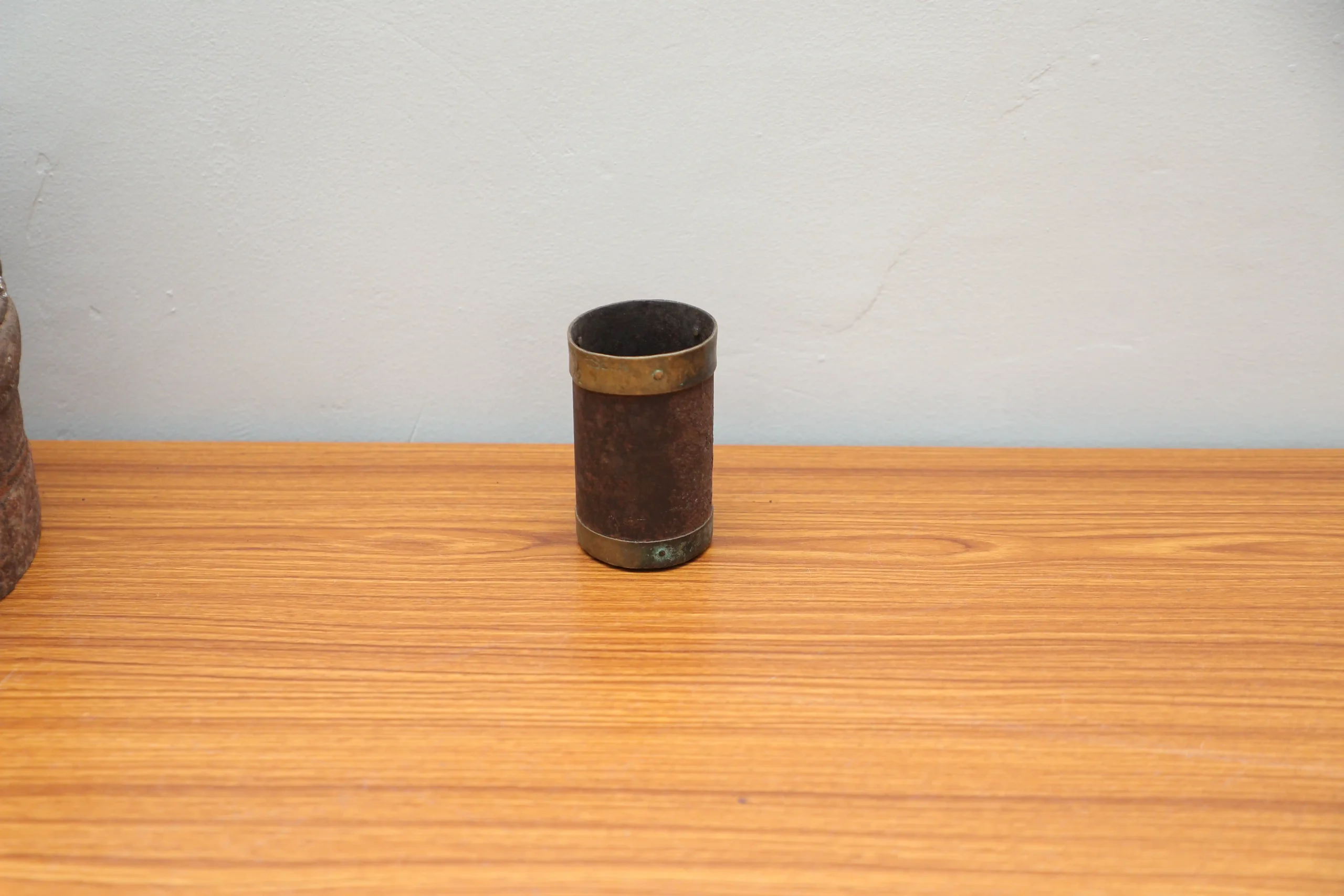
Traditional Measuring Units 5
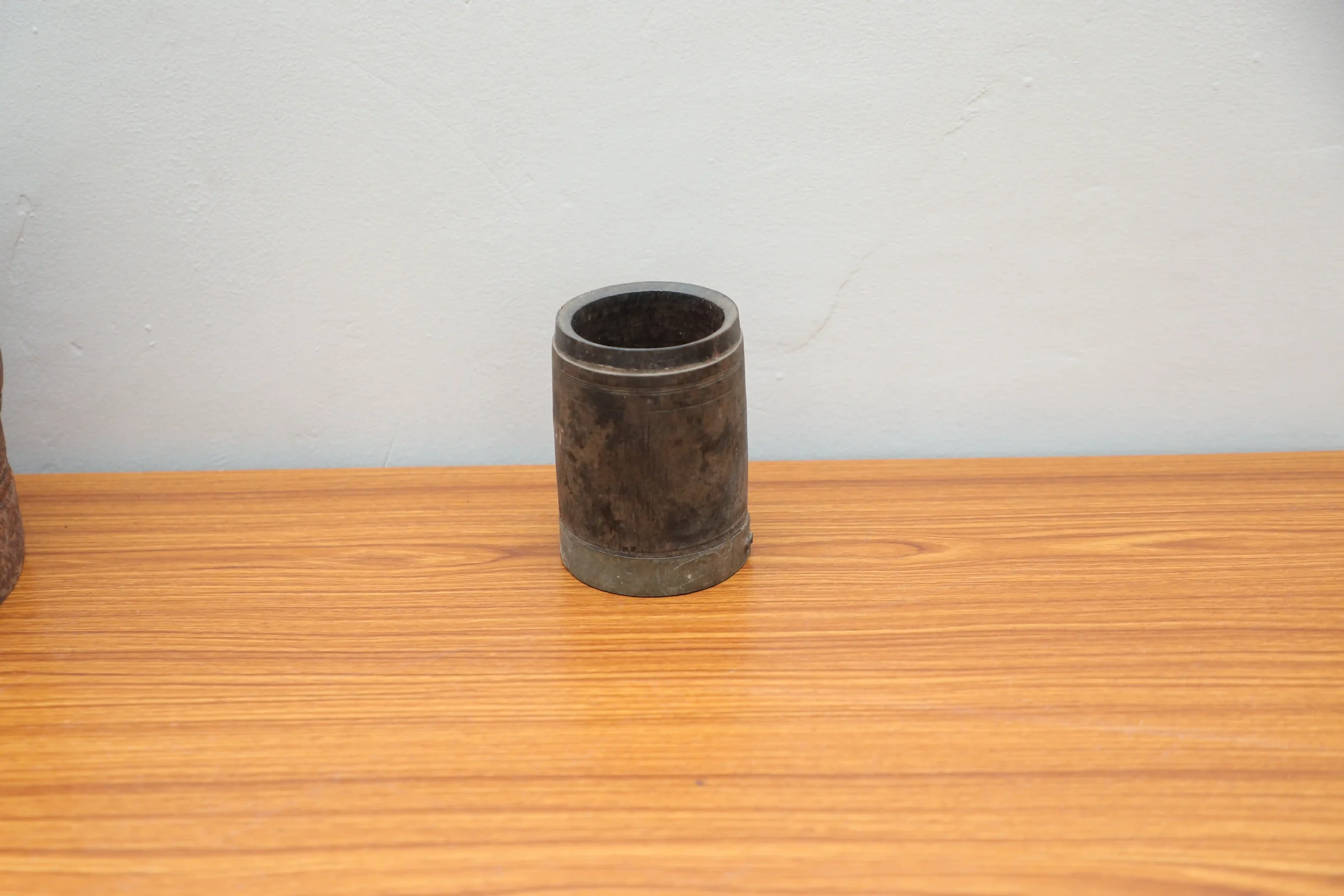
Traditional Measuring Units 4
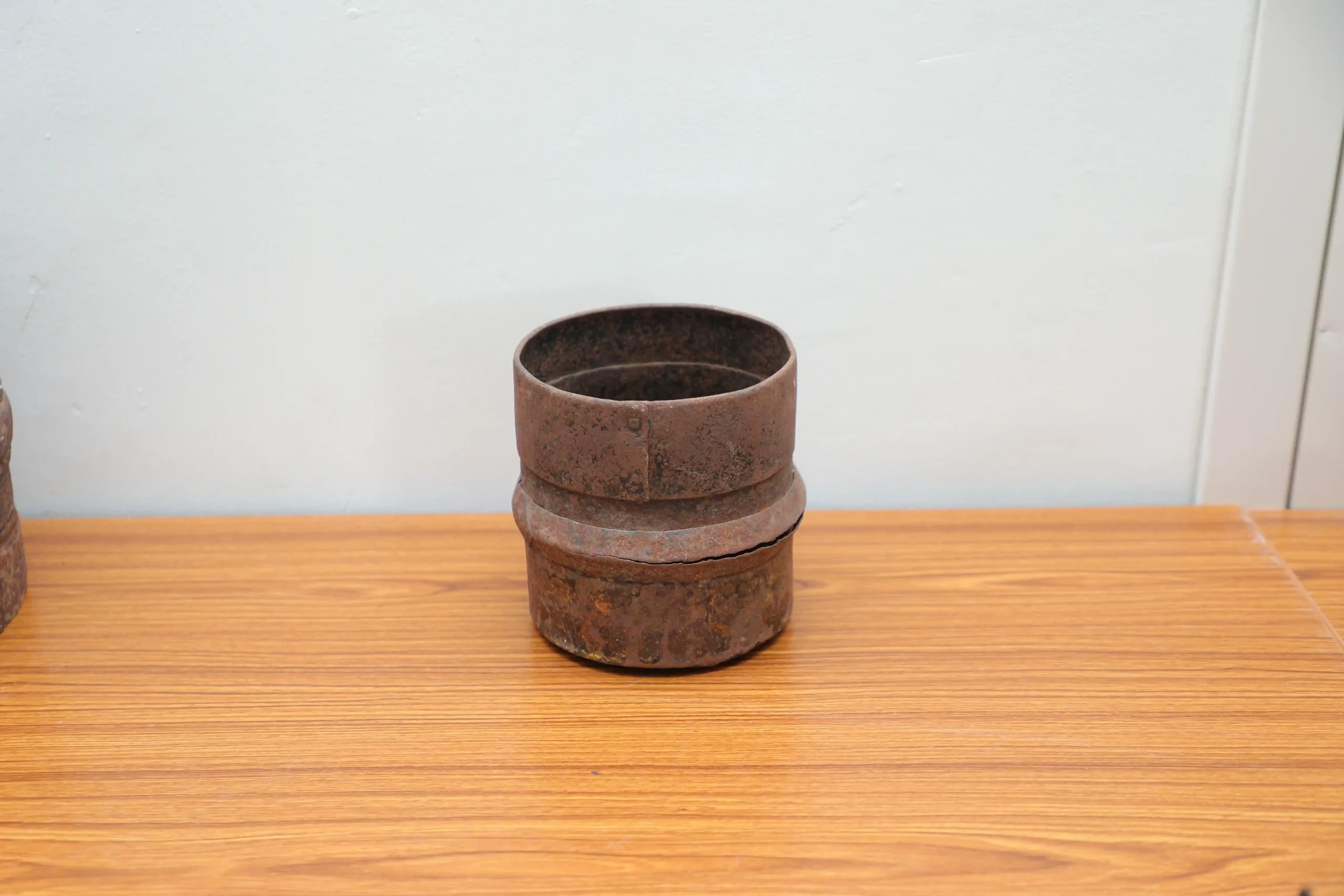
Traditional Measuring Units 3
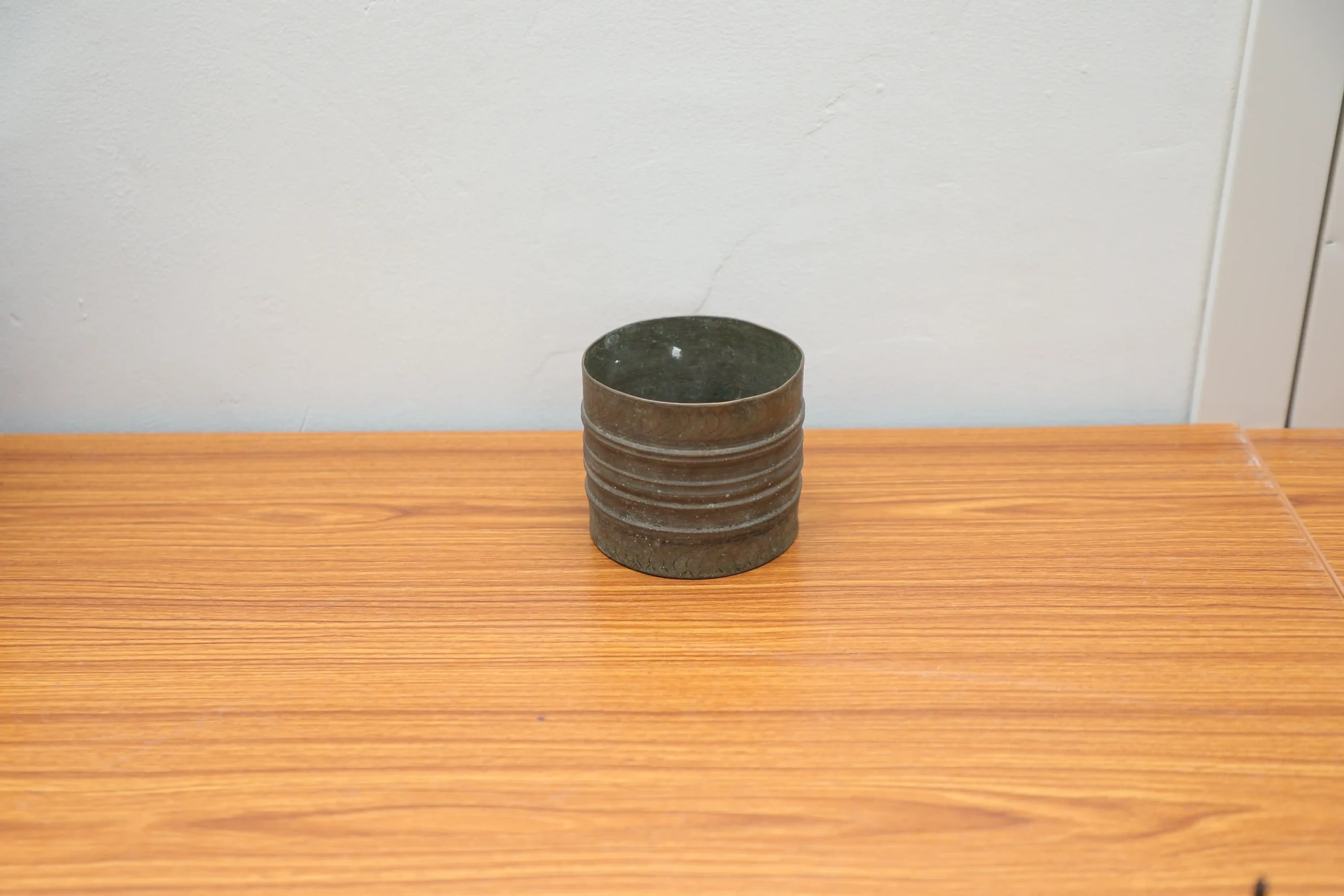
Traditional Measuring Units 2
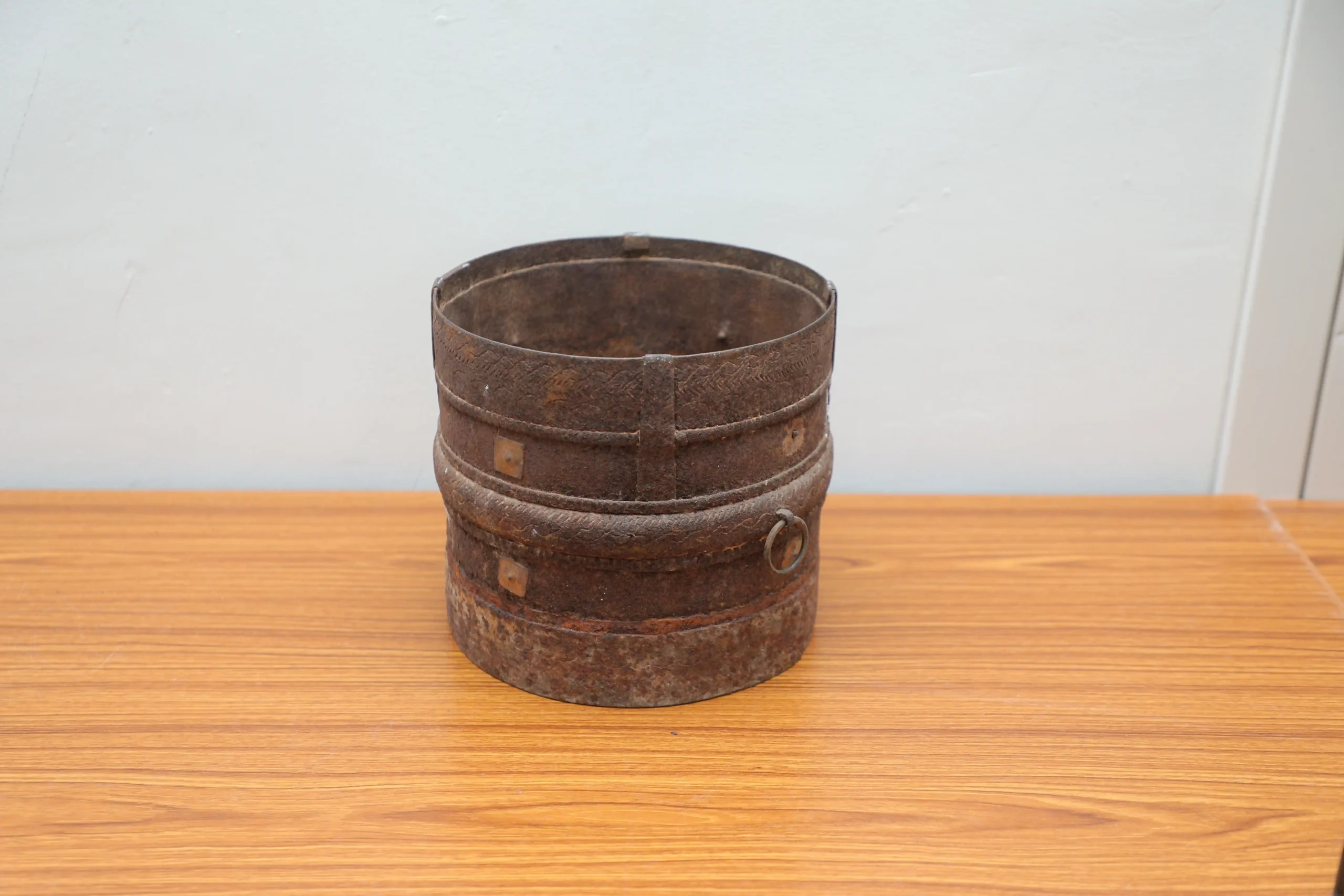
Traditional Measuring Units 1
- Ibbalige (ಇಬ್ಬ ಳಿಗೆ) – The biggest
- Sēru (ಸೇರು) – standard unit
- Ardha Sēru (ಅರ್ಧ ಸೇರು)
- Pāvu (ಪಾವು)
- Ardha Pāvu (ಅರ್ಧ ಪಾವು)
These measures were made of iron, brass, or copper for durability, and the system was in practice for centuries across Karnataka, particularly in rural markets (Sante- ಸಂತ್ರ), where transactions were conducted with trust – a farmer bringing grains or oil to the market would measure them in these vessels to ensure fairness; with the introduction of the Weights and Measures Act, 1956, India adopted the metric system (grams, kilograms, liters), and by the late 1960s, these traditional units were gradually phased out, today representing a symbol of heritage and reminding us of the evolution of commerce and trade practices in India.
THE APPROXIMATE MODERN EQUIVALENTS (IN LITERS)
| Kannada Name | English Name | Traditional Relation | Modern Equivalent (Approx.) |
|---|---|---|---|
| ಇಬ್ಬ ಳಿಗೆ (Ibbalige) | Ibbalige | 1 Ibbalige = 5 Sēru | ~ 4.25 liters |
| ಸೇರು (Sēru) | Sēru | Standard unit | ~ 0.85 liters |
| ಅರ್ಧ ಸೇರು (Ardha Sēru) | Half Sēru | ½ Sēru | ~ 0.42 liters |
| ಪಾವು (Pāvu) | Pāvu (Quarter) | ¼ Sēru | ~ 0.21 liters |
| ಅರ್ಧ ಪಾವು (Ardha Pāvu) | Half Pāvu | ⅛ Sēru | ~ 0.105 liters |
